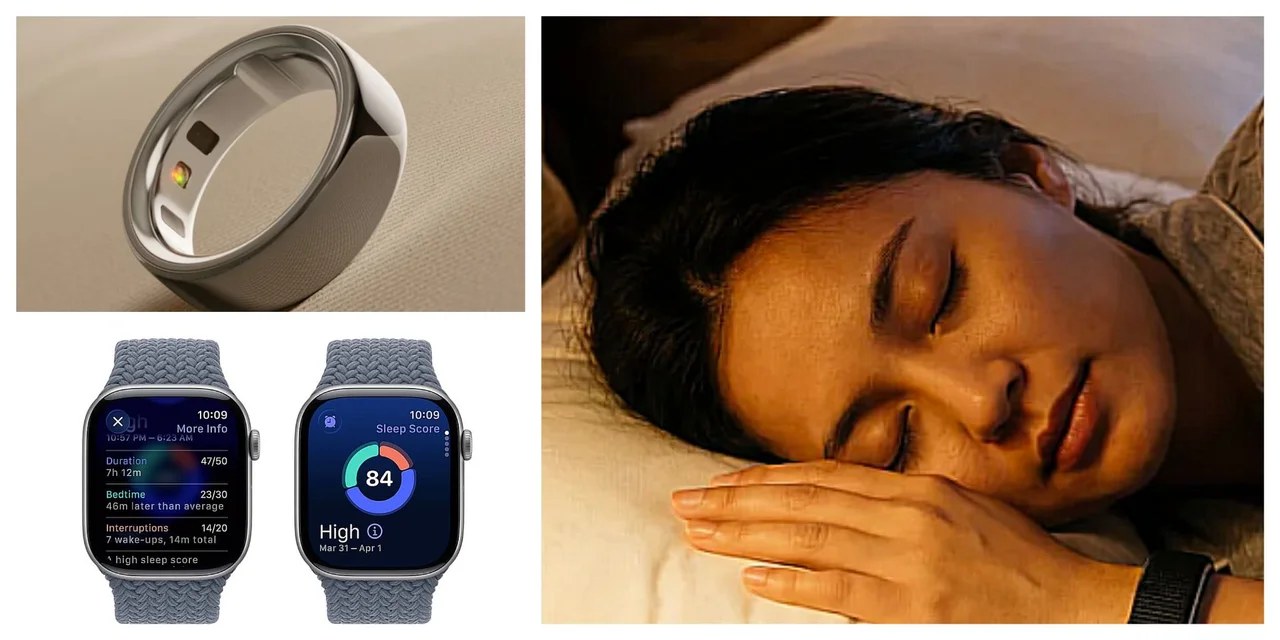
Sleep tracking has become one of the biggest factors for health monitoring. Whether you're trying to improve recovery, identify poor sleep habits, or simply wake up feeling more refreshed, modern devices promise detailed insights into your nightly rest.
Two devices were designed for this specific purpose, but do they do a better job?
Smart rings have gained a reputation for being more comfortable and less intrusive at night, while smartwatches often provide more comprehensive health data and additional features. Then there’s a third category that's quietly becoming one of the best options for sleep-focused users: dedicated health bands like the Omni Band 2.0.
If you want to know how sleeping tracking works, go check out Sleep Tracking Explained: What the Data Actually Means article.
After comparing comfort, accuracy, battery life, and overall value, here's our verdict.
Smart Rings vs Smartwatches: Quick Comparison
Feature | Oura Ring 4 | Apple Watch Series 11 | Omni Band 2.0 |
|---|---|---|---|
Form Factor | Smart Ring | Smartwatch | Health Band |
Price (USD) | $349.00+ | $399.00+ | $169.00+ |
Sleep Tracking | Excellent | Very Good | Excellent |
Heart Rate Monitoring | Yes | Yes | Yes |
Blood Oxygen Monitoring | Yes* | Yes* | Yes |
Stress Tracking | Yes | Limited | Yes |
Comfort While Sleeping | Excellent | Good | Excellent |
Battery Life | Up to 8 days | Up to 18 hours | 30+ days |
Display | None | Full OLED | No display |
Subscription Required | Yes | No | No |
Best For | Minimalists | Apple Users | Dedicated Health Tracking |
*Availability may vary by region.
Why Sleep Tracking Accuracy Matters
Not all sleep trackers work the same way. Most wearables estimate sleep stages using a combination of:
Heart rate
Heart rate variability (HRV)
Blood oxygen levels
Movement data
Skin temperature
The challenge is balancing comfort with sensor quality. A device can have advanced sensors, but if it's uncomfortable enough to remove halfway through the night, your data becomes useless.
That's where the differences between smart rings, smartwatches, and health bands become more noticeable.
Oura Ring 4
Standout Feature
Industry-leading sleep and recovery insights in an ultra-discreet form factor.
Pros
Extremely comfortable for sleeping
Excellent sleep stage analysis
Strong recovery and readiness metrics
Compact and lightweight
Cons
Subscription required for full insights
No display
Expensive compared to many wearables
Limited workout tracking
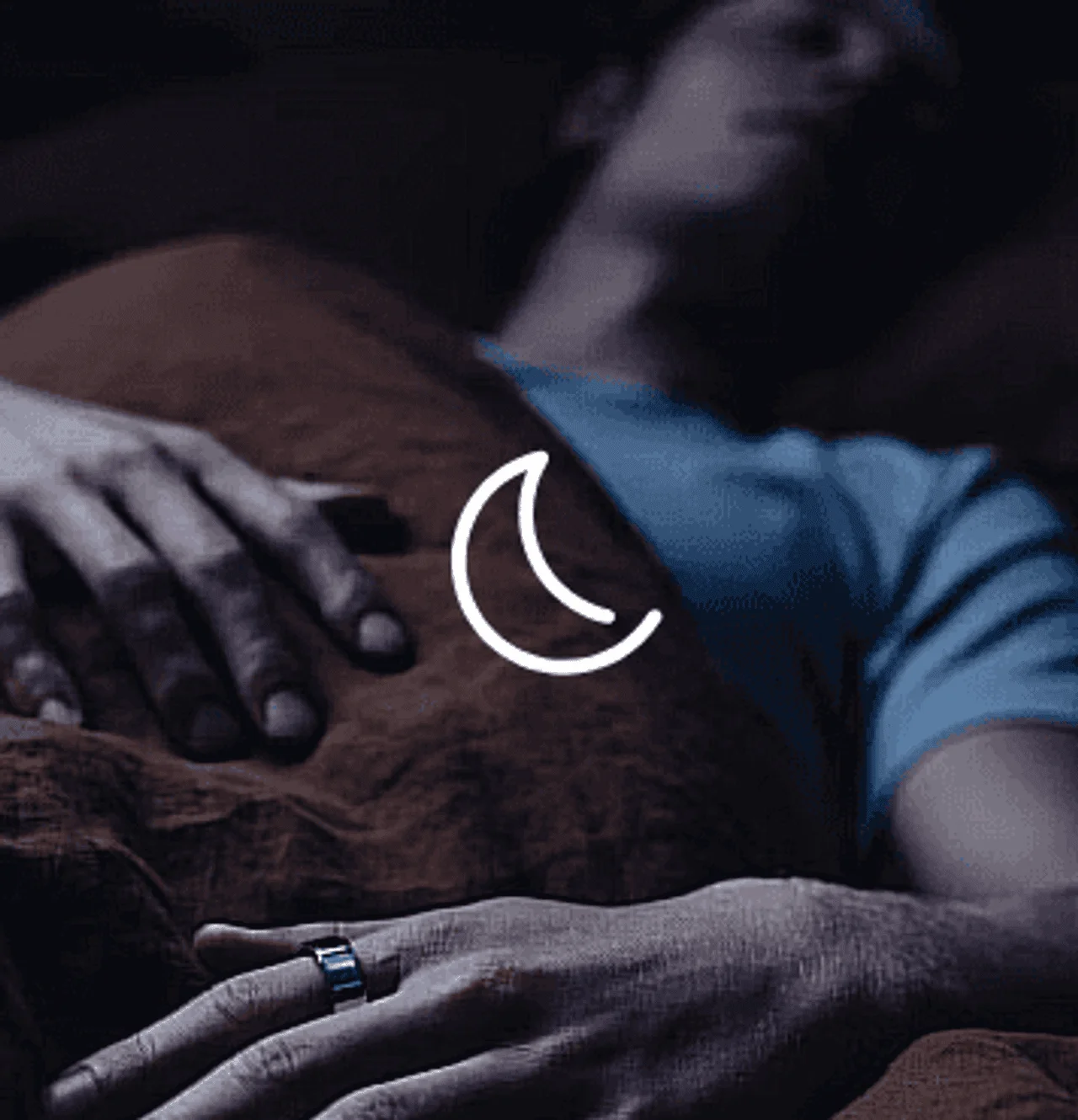
Image: Oura
If your only goal is tracking sleep, the Oura Ring 4 is incredibly compelling. Wearing a ring feels more natural than sleeping with a watch strapped to your wrist, especially for users who dislike bulky wearables.
The sleep reports are among the best in the industry, offering detailed breakdowns of sleep stages, recovery, HRV, and overnight trends. The downside is that you'll need an ongoing subscription to unlock the platform's full potential.
For users seeking the smallest wearable possible, Oura remains the ring to beat.
Check Now!
Apple Watch Series 11
Standout Feature
The most versatile smartwatch available today.
Pros
Excellent overall smartwatch experience
Accurate heart rate tracking
Comprehensive health ecosystem
Large app selection
Cons
Requires frequent charging
Bulkier during sleep
More expensive than dedicated sleep trackers
Battery anxiety is real
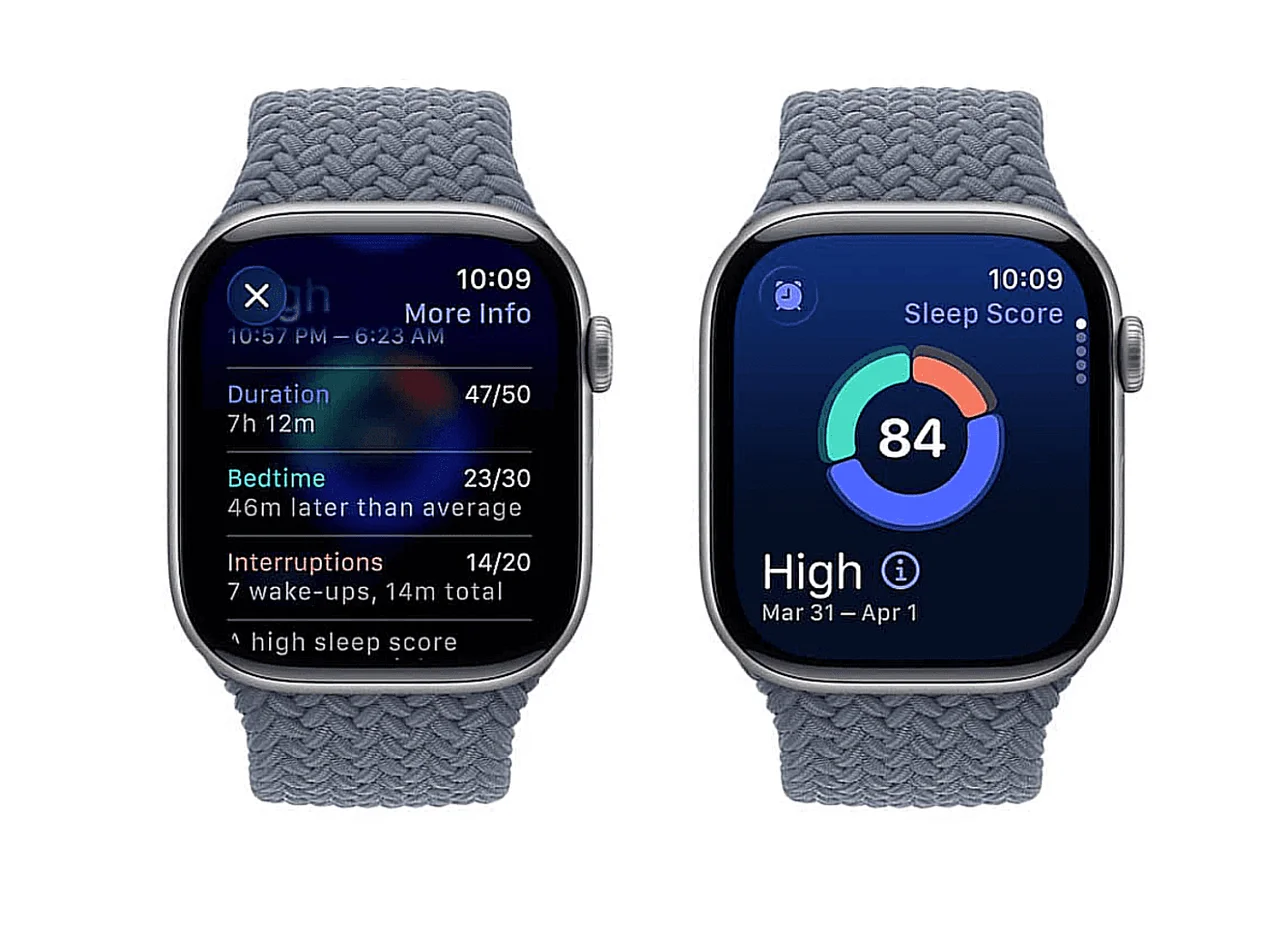
Image: Apple
Apple has dramatically improved sleep tracking over the last few generations. The Apple Watch Series 10 can provide reliable sleep stage estimates, heart rate data, respiratory measurements, and long-term sleep trends.
The biggest weakness remains battery life. Many users already charge their Apple Watch overnight, which directly conflicts with continuous sleep tracking.
If you're already invested in the Apple ecosystem and want a device that does everything reasonably well, the Apple Watch Series 10 is an easy recommendation. But for sleep tracking specifically, it's not necessarily the most practical option.
Check Now!
Omni Band 2.0
Standout Feature
30+ day battery life with comprehensive health and sleep monitoring.
Pros
Outstanding battery life
Comfortable for overnight wear
No display distractions
Comprehensive sleep and recovery insights
No subscription required
Strong value proposition
Cons
No smartwatch features
No third-party apps
Less mainstream than major smartwatch brands
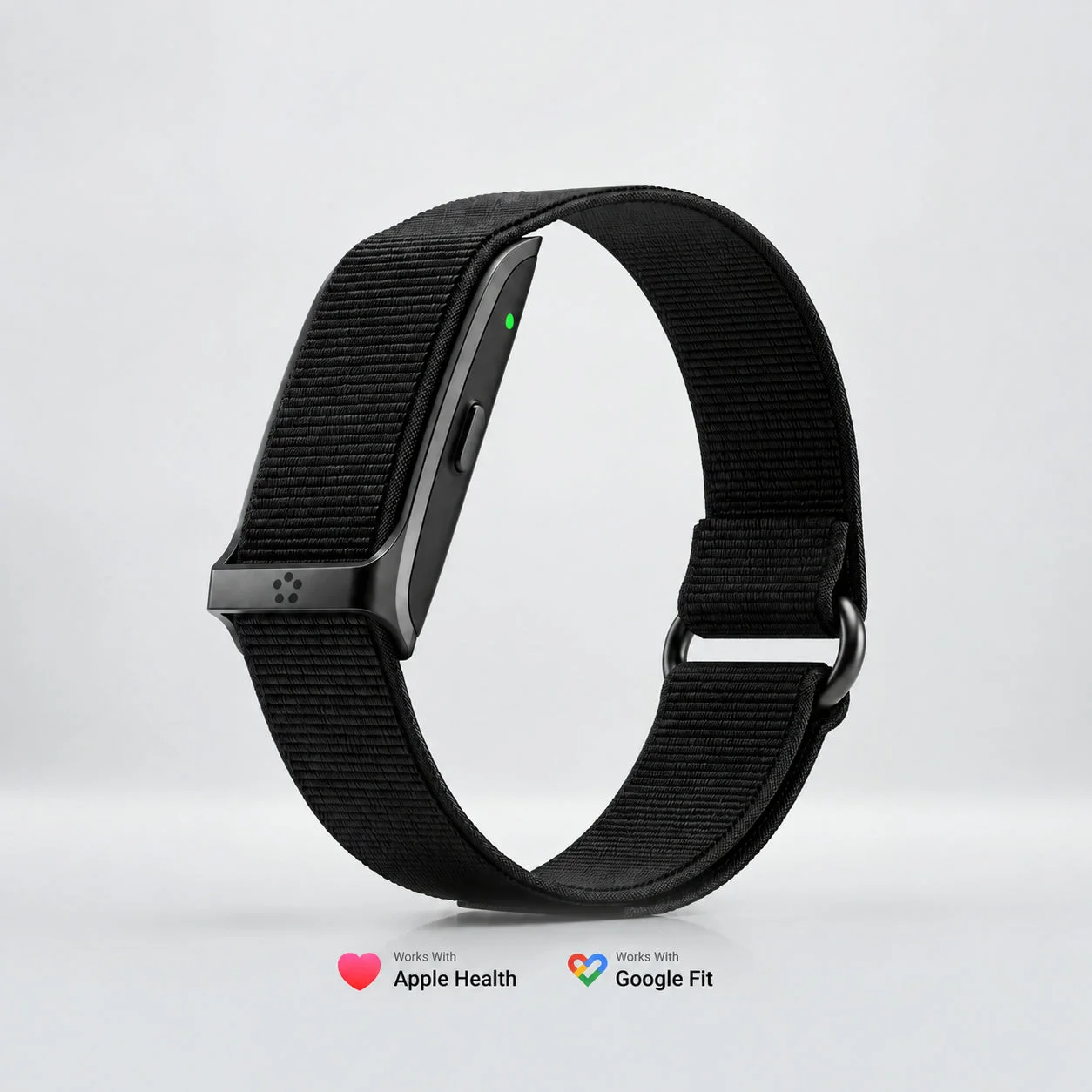
Image: Omni Band 2.0
While many consumers automatically compare smart rings and smartwatches, devices like the Omni Band 2.0 arguably solve the biggest sleep tracking problems better than either category.
Unlike smartwatches, the Omni Band 2.0 isn't trying to bombard you with notifications, apps, and distractions. It's built primarily around health monitoring. That means better battery life, less charging, and a more comfortable overnight experience.
Compared to smart rings, the Omni Band 2.0 offers a larger sensor platform while remaining lightweight enough for all-night wear. The result is detailed sleep analysis, heart rate tracking, blood oxygen monitoring, recovery metrics, and long-term health insights without the subscription costs that often accompany premium smart rings.
Perhaps its biggest advantage is battery life. With 30+ days on a single charge, users can continuously collect sleep data for weeks without interruption. That's a major advantage over smartwatches that often require daily charging and even over smart rings that still need weekly top-ups.
For users who care primarily about health tracking rather than smartwatch functionality, the Omni Band 2.0 hits an impressive sweet spot.
Check Now!
Smart Ring vs Smartwatch vs Health Band: Which Should You Buy?
Choose a Smart Ring If:
You want the smallest wearable possible
Comfort is your top priority
You don't mind subscription fees
You prefer a screen-free experience
Choose a Smartwatch If:
You want fitness tracking plus smart features
You already use Apple's ecosystem
You need apps, notifications, and connectivity
Sleep tracking is only one of many priorities
Choose a Health Band If:
Sleep tracking is your primary goal
You want long battery life
You prefer subscription-free health insights
You care more about health data than smartwatch apps
Final Verdict
When comparing smart rings vs smartwatches for sleep tracking, smart rings generally win on comfort while smartwatches win on versatility.
However, neither category delivers the ideal balance for dedicated sleep monitoring.
The Oura Ring 4 remains the best smart ring for sleep-focused users. The Apple Watch Series 10 is the best smartwatch if you want an all-in-one wearable.
But if your primary goal is getting the most practical and consistent sleep tracking experience, the Omni Band 2.0 stands out as the strongest overall choice. Its combination of comfort, health-focused design, subscription-free insights, and 30+ day battery life makes it one of the most compelling sleep-tracking wearables available today.
For sleep tracking specifically, we'd rank them:
Omni Band 2.0: Best Overall
Oura Ring 4: Best Smart Ring
Apple Watch Series 10: Best Smartwatch
If better sleep is the goal, the wearable that stays on your body every night and doesn't constantly need charging usually wins.